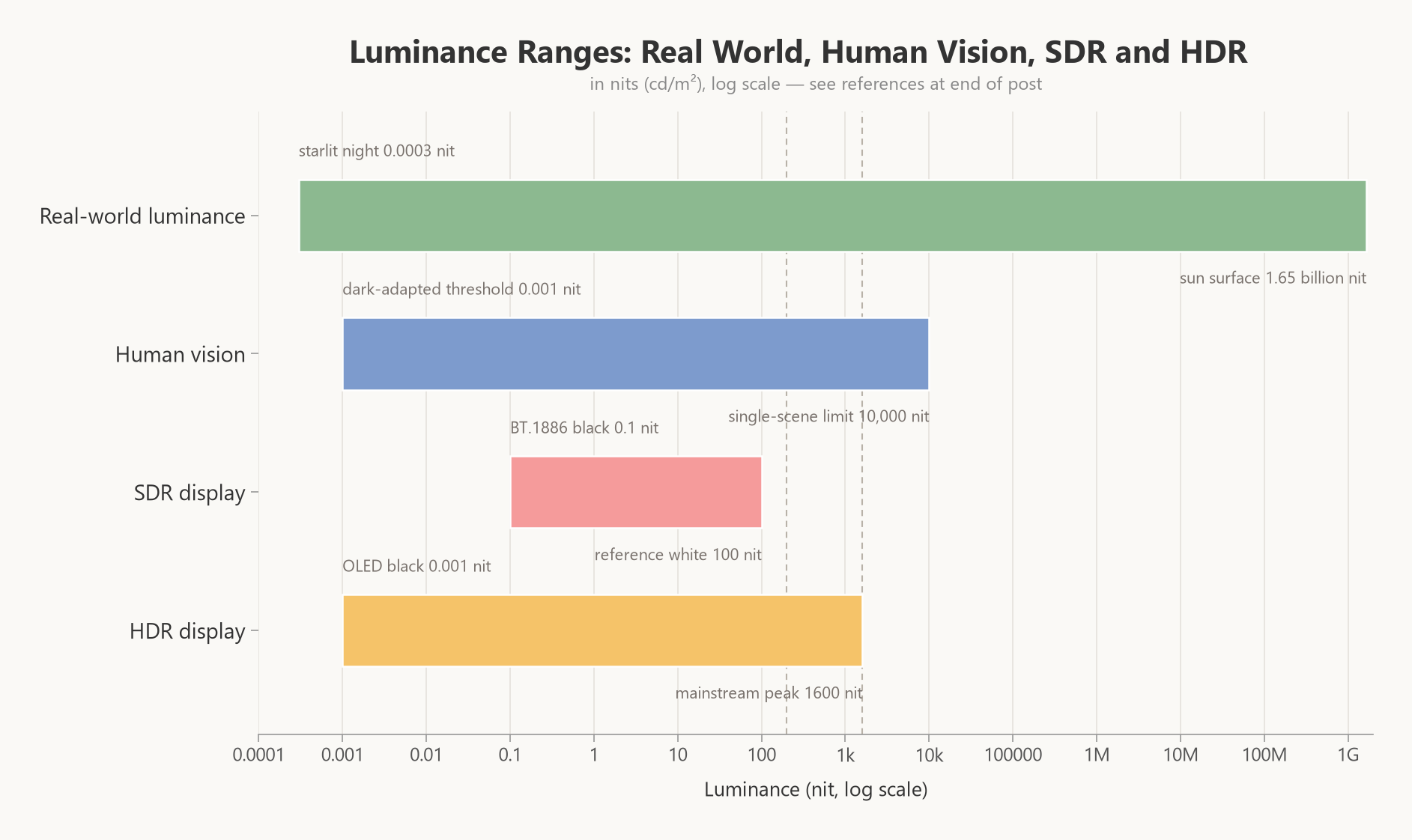
Space HDR brings HDR panoramas to the browser with WebGPU. It preserves the full luminance range from capture through display, while retaining SDR fallback for devices that do not support HDR.
with 0 CommentAI uncovered an RCE that hid inside PHP for over a decade — unauthenticated, and triggered before any application code runs. This post walks through RINIT ordering, session.upload_progress, dangling pointers and heap forgery, showing how a use-after-free becomes remote code execution.
with 0 CommentYac 3.0 发布, 进一步优化了单机 PHP 共享内存缓存的核心读写路径:引入 Inline 存储,让短 key 携带短字符串和 double 值时不必分配 values block;用 Versioned Snapshot 降低读路径协调成本;通过 Memory Epoch 在可证明数据稳定时跳过 CRC-32C,并保留必要的校验 fallback;同时统一内部 serializer,并新增 Yac::has() 等 API。基准测试中,Yac 3.0 相比 2.4.2 在 6B 到 8KB 的匹配负载中几何平均吞吐提升 42.3%,常见小值路径最高提升 95.4%。
with 0 CommentYac 3.0 further optimizes the core read and write paths of its single-node shared-memory PHP cache. Inline storage, versioned snapshots, epoch-based CRC validation, a new internal serializer, and Yac::has() deliver a 42.3% geometric-mean throughput improvement over Yac 2.4.2 across matched 6 B to 8 KB workloads, with gains of up to 95.4% on common small-value paths.
with 0 CommentYac 2.4.0 is out. It started with my blog cache being flooded by empty arrays: WordPress search negative caches and Akismet's recheck cron keep writing entries nobody reads, eating values memory and triggering recycles. The headline change is embedded values — small scalars are encoded directly into the slot's pointer word and never touch the values area. Also: LZ4 replaces FastLZ (~3.5x faster decompression), get() gains $default, and dump() gains pagination plus per-entry hits/atime stats. Mixed-workload reads are up 70%, and my blog's values memory dropped from 23.5M to 12.4M.
with 0 CommentEvery Memcached read costs WordPress a localhost TCP round-trip plus protocol handling. After switching this blog to the shared-memory cache Yac, measured throughput rose ~19% — and one more cache service to maintain was gone.
with 0 CommentWechatian is an Obsidian plugin that connects WeChat and your Obsidian vault in both directions with no third-party relay: text, images and article links sent from WeChat are clipped into the vault automatically, and any program that can write a file can send you WeChat messages via a file outbox through Tencent's ilink gateway. With minimal setup your AI Agent can notify you on WeChat the moment a job finishes — no more babysitting the screen.
with 0 Comment